Small Pauses, Lasting Calm
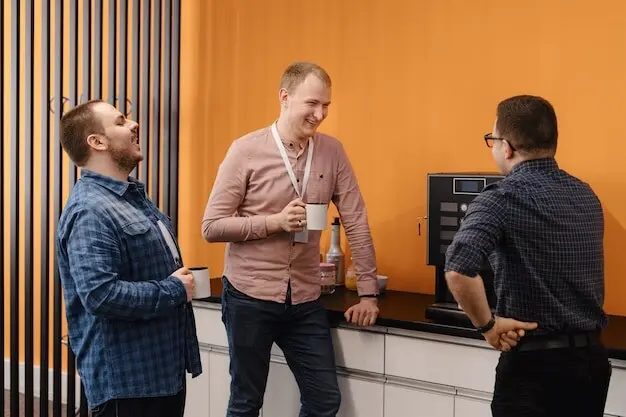
Today we’re exploring Micro-Resets for Everyday Calm: quick, compassionate interruptions that soothe pressure without derailing your day. Think breaths, brief movement, light shifts, or tiny reframes that take under two minutes yet ripple through mood, focus, and patience. You’ll gather practical moves, stories from real lives, and science that explains why they work, so you can return to conversations, projects, or parenting feeling steadier, clearer, and quietly proud of caring for your nervous system.

A Tiny Pause With Big Science

A small, deliberate pause can redirect stress chemistry faster than most people expect. Brief practices calm the amygdala’s alarms, ease the HPA axis, and give your prefrontal cortex a chance to steer again. I learned this covering breaking news; ninety focused seconds between calls transformed reactivity into choice. Use these ideas as experiments, then share one win with our community to inspire someone who needs a quick lifeline today.

Taming The Stress Cycle In Seconds

When urgency spikes, your body launches a protective cascade. Catch it early with a sixty‑second circuit: place feet solidly, lengthen spine, look at a distant horizon point, then exhale slowly until your shoulders drop. Repeat once. Notice what softens. Post a note describing the exact moment you tried this, so others recognize the doorway when theirs appears.

Your Vagus Nerve’s Friendly Nudge

Stimulating the vagus nerve shifts your system toward rest-and-digest. Try a long hum for twenty seconds, feeling vibration in lips and throat, then swallow and sigh out through pursed lips. Vision clears. If you feel dizzy, sit and shorten the exhale slightly. Tell us whether humming, chanting, or gentle gargling works best for you and when you reach for it.

Allostasis, Not Perfection

Your body chases workable balance, not flawless stillness. That adaptive dance is called allostasis, and micro‑resets help it update predictions safely. Instead of judging stress, score tiny recoveries: one minute grounded, one breath released, one smile returned. Track five moments today and comment with the one that surprised you, because noticing progress teaches your brain resilience is possible again.

Breath Moves That Change The Channel

Breathing alters chemistry within a minute by adjusting carbon dioxide and stimulating baroreceptors. The right pattern can quiet the heart’s drum, steady attention, and brighten patience. Here are simple, portable practices for crowded trains, tense hallways, and blinking screens. Test each for a week, keep what works, and share a voice note describing the shift you felt.

Environmental Switches You Can Flip Fast

Environments shape attention, posture, and hormones. Tiny adjustments reset direction without drama: one minute of daylight, ten degrees of cooler air, three uncluttered surfaces, or a familiar scent that whispers safety. Design micro‑breakpoints you can reach without thinking. Then tell our readers which doorway feels easiest in your space, so they can try it today.

Sunlight Sip At The Door

Step to a window or doorway and let outdoor light touch your eyes indirectly for sixty seconds. It cues circadian timing and brightens mood. A programmer I coached does this between commits; bugs feel less personal afterward. Snap a photo of your view and share it as a gentle invitation.

Sixty-Second Tidy Reset

Set a one‑minute timer and clear three items from the most annoying surface. Visual clutter steals micro‑attention. By restoring a little order, you return decision energy to work or caregiving. Post a before‑after shot in comments; small victories often spark another, and motivation likes visible proof more than pep talks.

Mindset Tweaks That Ease The Noise

Moments of friction shrink when inner narration softens. Language shapes physiology; even a kinder tone lowers cortisol. These quick mental shifts pair well with breath or movement to reopen choice. Try them in traffic, during sibling squabbles, or while debugging. Tell us your favorite line, so others can borrow it gratefully.
Instead of declaring, “I am anxious,” try, “I’m noticing anxiety in my chest,” then add, “and I can breathe with it.” This small linguistic distance cools identity fusion. Place a warm hand on your sternum. Later, jot a sentence about what changed, even if the shift felt almost invisible.
Craft a ten‑word reframe you can recall under pressure, such as, “This is effortful now, building capacity I’ll use later.” Repeat internally while the line moves or the code compiles. Share your line publicly; watching friends adopt it deepens your commitment and transforms a private practice into communal courage.

Body Micro-Moves To Unclench Tension

Physical cues talk to the brain faster than essays. Brief, playful movements discharge charge, refresh proprioception, and invite steadiness back into joints and breath. None require equipment or privacy. Sprinkle them between emails or errands. After experimenting, comment with the one move you’ll keep in your pocket for tomorrow’s surprises.

Shoulder Roll Ladder

Sit or stand tall. Roll shoulders up, back, and down for three slow cycles, matching each descent with a soft exhale. Imagine warm oil smoothing the joints. Add a gentle neck nod. Rate tension before and after on a ten‑point scale, then post the change to cheer someone else.

Eye Distance Switch

Every twenty minutes, look twenty feet away for twenty seconds, then sweep your gaze across the farthest wall. This relaxes ciliary muscles and widens awareness. Blink intentionally. Share whether headaches eased. Pair with one calf raise set to restore circulation, and you’ll return to the screen with kinder focus.

Grounded Feet, Gentle Sway

Plant feet hip‑width, unlock knees, and sway like sea grass. Let weight pass from heel to ball with a relaxed breath. This vestibular whisper steadies anxious energy without drawing attention. Try during bedtime routines with kids. Report how many breaths it took before shoulders softened noticeably.

Cues, Routines, And Friendly Accountability

If-Then Micro-Plan

Write an implementation intention: “If the kettle switches on, I do two physiological sighs.” Place the note where the cue lives. Simplicity wins. When it works, star the moment in your calendar. Missed it? Reset kindly. Share your favorite pairing so others can borrow a ready‑made doorway.

Two-Minute Streaks, Honest Logs

Track two‑minute practices with a simple chain calendar or paper grid. Allow one grace day each week to avoid all‑or‑nothing thinking. Log feelings, not just checkmarks, to teach your brain the payoff. Comment with your streak’s story, including wobbles, because honesty helps everyone recalibrate expectations compassionately.

Buddy Pings And Playful Rewards

Recruit a friend, set gentle check‑ins, and exchange a single emoji when you complete a reset. Keep it playful: tiny confetti on the calendar, a favorite song at five successes. Celebrate process over perfection. Tell us what reward made you smile, so others can copy delight, not pressure.
Novitelisirapexi
Privacy Overview

This website uses cookies so that we can provide you with the best user experience possible. Cookie information is stored in your browser and performs functions such as recognising you when you return to our website and helping our team to understand which sections of the website you find most interesting and useful.